Recovering from surgery can feel like its own full‑time job. Even when the procedure goes smoothly, healing often comes with swelling, stiffness, soreness, limited mobility, and the feeling that your body just isn’t moving the way it used to.
That’s why so many people start searching for post-surgical massage, post-surgical massage, or massage after surgery as part of recovery. The big questions are always the same: Can this actually help? When is it safe? What should I expect?
The short answer: the right kind of massage, at the right time, can be a helpful part of recovery. But timing, technique, and safety matter a lot.
What is post-surgery massage?
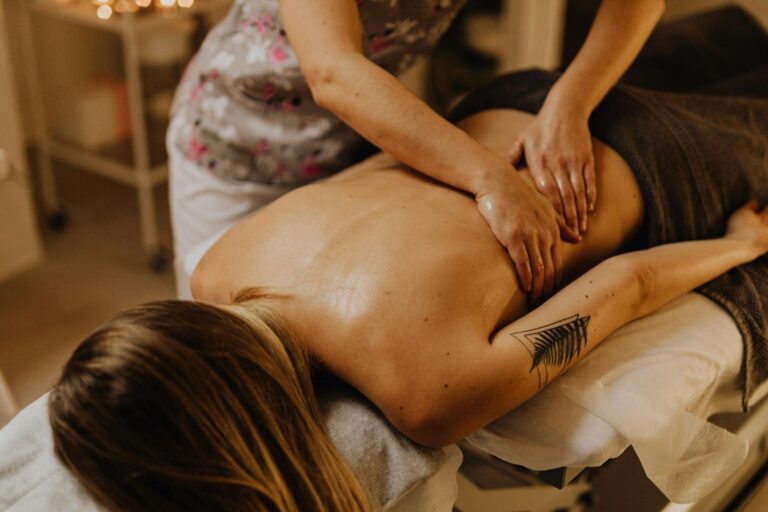
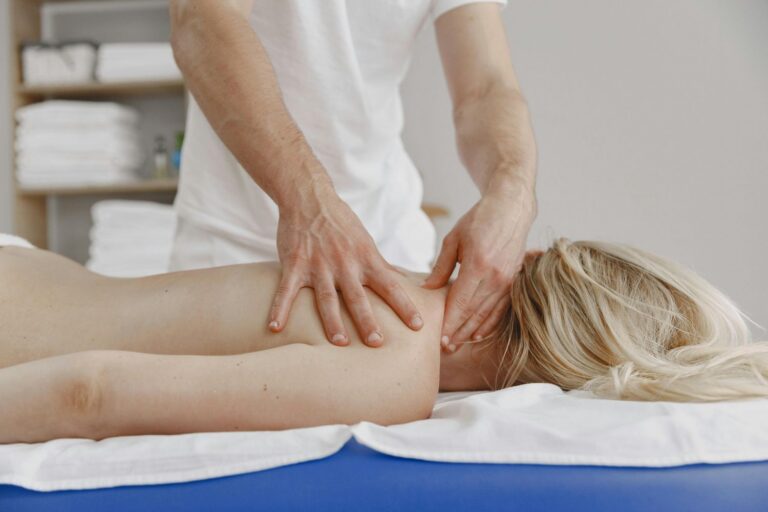
Post surgery massage (or post-operative massage, after surgery massage) is therapeutic bodywork adapted to the needs of a healing body.
Depending on the stage of recovery, it may include:
- Very light, comfort‑focused touch
- Gentle, lymphatic‑style work for fluid support
- More targeted soft‑tissue work later on, once you’re cleared
It is not about deep, intense pressure right after surgery. Early on, sessions – if they’re appropriate at all – are usually gentle and highly intentional. The goal is to support healing, not to “fix” everything in one session.
Why do people get a massage after surgery?
Many people look into massage after an operation because their recovery involves more than just pain. They may be dealing with:
- Swelling and fluid retention
- Tightness and stiffness
- Guarded, protective posture
- A heavy, congested feeling in the tissues
- Limited range of motion
A thoughtful post-surgery massage therapy approach may help by:
- Easing muscular tension in the surrounding areas
- Supporting circulation and lymphatic flow
- Promoting relaxation so the nervous system can downshift
- Making movement feel more comfortable as healing progresses
Massage doesn’t replace medical treatment, but it can be a supportive part of a broader recovery plan.
Key benefits of massage after surgery
Swelling support
Swelling is one of the main reasons people seek post-surgery lymphatic drainage massage. After surgery, inflammation and fluid buildup are a normal part of healing. Gentle, lymphatic‑inspired techniques may help:
- Encourage fluid movement
- Reduce feelings of puffiness or heaviness
This work should always be light, precise, and cleared by your surgeon—never aggressive.
Comfort and pain relief
A lot of people explore post op massage therapy simply because they want to feel more comfortable. Massage may:
- Reduce muscle tension around the surgical area
- Ease overworked muscles that are compensating for pain
- Help the body relax instead of constantly bracing
Post‑op massage should not be “no pain, no gain.” Discomfort is a sign to adjust, not to push harder.
Circulation and stiffness
Gentle post-surgical massage therapy can support healthy circulation, which contributes to tissue repair. It can also help with stiffness that comes from:
- Moving less
- Holding protective postures
- General nervous system guarding
Later in recovery, more focused work may help reduce that pulling or tight feeling around the affected area (once your provider says it’s safe).
What is post-surgery lymphatic drainage massage?
Post-surgery lymphatic drainage massage is a very gentle manual technique designed to support lymph flow and fluid movement. It typically involves:
- Light, rhythmic strokes
- Focus along lymph pathways, not deep into muscles
- Slow, specific work rather than strong pressure
People tend to seek this type of post-surgery massage when they’re dealing with visible swelling or that “full,” congested sensation in certain areas. It’s especially important to:
- Have medical clearance
- Work with someone familiar with post‑operative care
- Avoid anyone promising dramatic “detox” or aggressive results
At Namaste Spa Mind Body & Soul, this is where our Post Operative Lymphatic Drainage Massage comes in. Offered in 90‑minute and 60‑minute sessions, this specialized treatment uses gentle, non‑invasive techniques to help drain post‑surgical fluids, reduce swelling and fibrosis, and smooth uneven skin textures by addressing underlying fascial restrictions. The goal is to support your body’s natural healing process and make recovery feel smoother and more comfortable.
There is also Post‑Op Face Lymphatic Drainage (30 minutes), a focused treatment designed to reduce facial swelling, encourage lymph flow, and ease puffiness after facial procedures. It’s a soothing way to support healing and feel lighter and more refreshed during recovery.
These options are tailored to support different types of post‑surgical journeys, from full‑body procedures to more focused facial work, so you can choose what fits your recovery best.
Massage after surgery: when is it safe?
This is the most important piece: massage after surgery, when safe, is different for everyone. There is no universal timeline. Safety depends on:
- Type and location of surgery
- How long ago was it performed
- Whether incisions are fully closed
- Presence of drains, sutures, or dressings
- Any concerns about infection or blood clots
In general:
- Always follow your surgeon’s recommendations.
- Get explicit clearance before scheduling post-surgical massage.
- Make sure your therapist knows you’re post‑op and what procedure you had.
Massage may need to wait if:
- Incisions are open or healing poorly
- There’s active infection, unusual redness, or heat
- There are concerns about clotting
- Pain is sharp, worsening, or unexplained
- Swelling looks severe or abnormal
The right timing is part of safe treatment – not just a detail.
At Namaste Spa Mind Body & Soul, any post-surgery massage or post-operative massage therapy is always approached conservatively and in coordination with your medical guidance. We encourage you to bring any recommendations from your surgeon so we can tailor pressure, positioning, and techniques to your specific stage of healing.
What happens during post-operative massage therapy?
A good post-operative massage therapy session usually starts with conversation and assessment, not deep pressure. Your therapist should ask about:
- The surgery (what kind and when)
- How have you been healing
- Any restrictions from your medical team
- What you’re feeling now (swelling, tightness, anxiety, etc.)
Depending on your stage of recovery, the session may include:
- Very gentle, surface‑level work
- Lymphatic‑style strokes for fluid support
- Working around the surgical area, not over it
- Comfortable positioning with lots of bolsters and support
Later – once you’re further along and cleared – sessions may include:
- More direct work on tension and compensation patterns
- Gentle work near or around scar tissue
- Support for mobility and more natural movement
What should you expect (and what not to expect)?
If this is your first time considering massages after surgery, it helps to keep expectations realistic:
You can expect:
- A cautious, respectful approach
- Gentle techniques early on
- Possible relief from heaviness, tension, or stiffness
- A sense of being more at ease in your body
You shouldn’t expect:
- Instant, dramatic transformation in one session
- Deep, intense pressure in early recovery
- Massage to “speed‑heal” your tissues beyond what’s medically possible
Think of massage as something that helps your recovery feel more supported and manageable – not a magic shortcut.
The best thing to do after a massage
When you’re thinking about the best thing to do after a massage in a post‑surgical context, simple is best:
- Drink water normally and stay gently hydrated.
- Rest if your body feels more relaxed or tired.
- Avoid overexertion right after your appointment.
- Notice how your body responds over the next day.
- Follow any specific instructions from your therapist or surgeon.
There’s no need to “test” your limits immediately. Recovery responds best to consistency and care.
Is massage after surgery worth it?
For many people, yes – when it’s done safely, thoughtfully, and with medical clearance. The value of post-surgery massage isn’t that it replaces your doctor or forces faster healing. Its value is that it may help you:
- Feel more comfortable in your body
- Move with a bit less stiffness and guarding
- Manage swelling and tension more easily
- Feel emotionally supported during a demanding time
When approached with respect for your healing process, post-operative massage can be a meaningful part of recovery – one that works with your body instead of pushing it before it’s ready.If you’re considering massage after surgery and have already received clearance from your provider, our team at Namaste Spa can help you explore gentle, recovery‑focused options that match your stage of healing. You don’t need to know exactly which service you need before you reach out – simply share how you’re feeling, what kind of surgery you’ve had, and where you’re noticing swelling or tension, and we’ll help you decide whether a post‑operative session is appropriate for you right now.