In a world that rewards speed, stimulation, and constant responsiveness, deep stillness can feel almost unfamiliar. Many people arrive at a wellness treatment thinking they need relief from localized muscle tension, physical stress, or simple mental exhaustion. What they often discover is something deeper: a state where the mind finally quiets down, the body stops bracing, and relaxation begins to feel less like “taking a break” and more like returning to themselves.
This is where conversations around the theta state often begin.
In a holistic wellness spa setting, the phrase theta state is usually used to describe a deeply relaxed, inward, meditative state – one that feels very different from ordinary rest. It is the kind of experience people sometimes encounter during intuitive energy work, therapeutic bodywork, or moments of profound stillness when they are not fully asleep, but no longer operating in their usual busy, analytical mode.
While the term itself is rooted in brainwave patterns, what matters most is not the clinical definition. It is the felt experience: that floating, softened, deeply quiet space where the body seems to melt into the table and the mind stops gripping its to‑do list so tightly. In modern life, that kind of stillness is incredibly powerful.
What Do People Mean by the “Theta State”?
When people use the term theta state in a wellness context, they are describing a recognizable internal experience, not a diagnosis. It is a way of pointing to a different quality of awareness.
This state is often associated with:
- deep, somatic relaxation
- a profound mental quiet or “soft focus”
- a dreamlike, inward feeling
- the twilight space between wakefulness and sleep
- meditative stillness and a softened sense of time
- less mental chatter
- an emotional and physical feeling of unclenching
For many people, it is the moment when they stop trying to relax and actually begin relaxing. A person can be physically resting while their thoughts are still racing and the nervous system is on high alert. Deep relaxation is different. It feels less performative, less effortful, and far more immersive.
Why Deep Relaxation Feels Different From Regular Rest
A lot of people assume rest is simple: you stop moving, sit down, maybe close your eyes, and your body should feel restored. But that doesn’t match how we actually live.
Modern stress is rarely just physical. More often, it comes from mental overload, constant digital input, emotional pressures, and the subtle strain of always needing to respond. This creates a state where the body may be inactive, but the nervous system never really downshifts.
That is why deep relaxation feels like a true shift. People often notice that:
- their breathing naturally slows and deepens
- thoughts move from a sprint to a gentle drift
- muscles stop subtly gripping or guarding
- the face, forehead, and jaw soften
- time feels slower or less important
True stillness allows the body to exit a mode of bracing that may have been there for so long it started to feel normal.
Why Stillness Is So Hard for Many People
Stillness sounds simple on paper, but in practice it is surprisingly difficult. That isn’t because someone is “bad at relaxing.” It is because constant stimulation changes what the mind interprets as safe and normal. When you are used to multitasking, checking your phone, and working under pressure, silence can initially feel jarring.
Some people notice that when they finally lie down to receive a treatment, their mind actually gets louder at first. They become more aware of tension, feel restless, or struggle to “drop in.”
This is one reason supportive, holistic treatments are so meaningful. They do not demand that you force yourself into a meditative state on command. Instead, they use soothing warmth, professional touch, sensory softness, and a feeling of safety to make stillness more accessible. In that sense, stillness isn’t always something you do. Sometimes, it is a state you are gently led into.
How This Connects to a Namaste Spa Experience
For a sanctuary like Namaste Spa Mind Body & Soul, the theta state theme works best as a wellness lens, not a clinical promise. The goal is not to say a treatment “puts someone into theta” in a scientific sense, but to explain why certain services feel distinctly deeper, quieter, and more restorative than ordinary downtime.
At Namaste, several holistic therapies and bodywork offerings naturally support the kind of inward stillness modern life rarely makes room for. They speak to the person who is not just tense, but overstimulated; not just tired, but unable to truly settle.
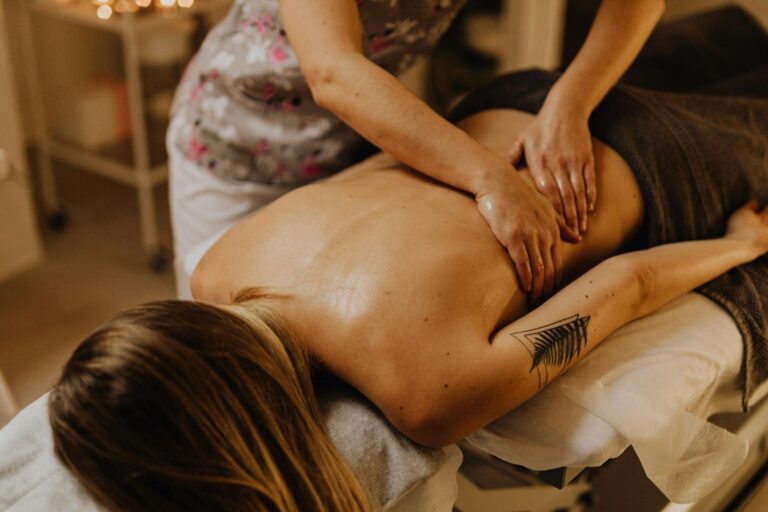
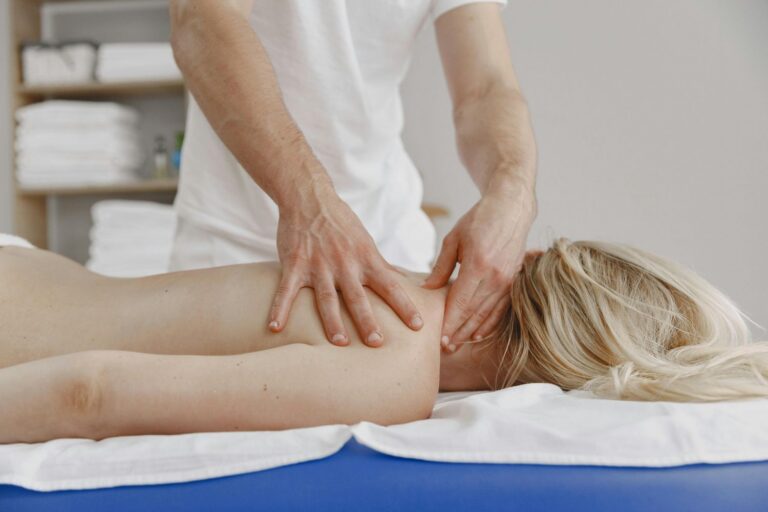
- Holistic Stress Relief & custom bodywork – A layered experience built away from a rushed or purely mechanical approach, using slow rhythm and intentional pacing to help the whole system exhale through tailored massage and bodywork.
- Soothing Scalp and Head Massage – The head, temples, and scalp hold immense amounts of hidden mental strain. Focused work here can open the door to deep quiet more quickly than most people expect.
- Facial massage‑based rituals & Gua Sha – Slow, fluid facial work helps ease the intricate network of facial muscles and nerves, signaling to the mind that it is safe to let its guard down.
- Warm stone elements – The gentle weight and radiating heat of warm stones help melt away guarding before the analytical mind even notices it has let go.
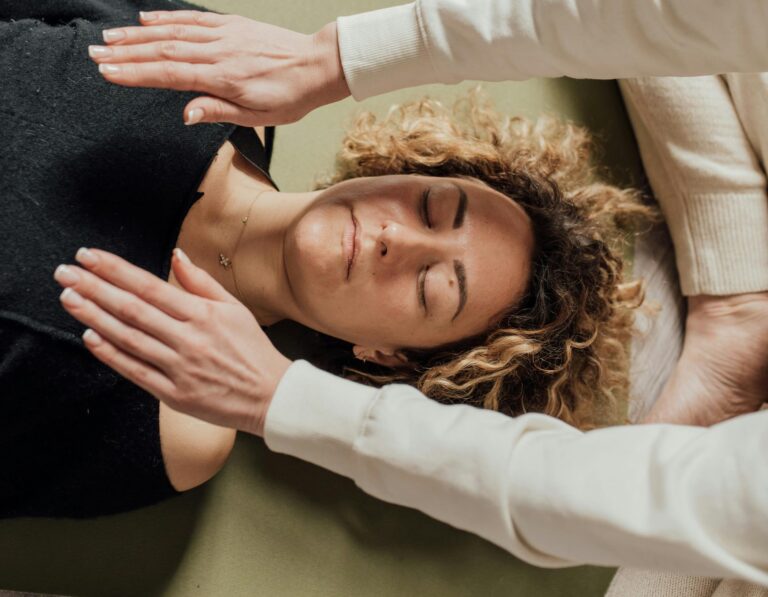
- Guided, meditative or energy‑based experiences – Giving the thinking mind a soft point of focus so deeper layers can finally rest. This includes dedicated spiritual path options where you can explore the synergistic pairing of Theta Healing vs Reiki within Quantum Healing–inspired sessions to target mental fatigue at its root.
These kinds of treatments are less about fixing one isolated concern and more about creating the conditions for true stillness.
Remembering What It Feels Like to Let Go
Many people book a spa service thinking they just need a tight muscle eased or their skin refreshed. Those physical benefits are real. But underneath them is a quieter need: the need to stop being so internally busy.
Deep stillness does not only relax the physical frame; it reconnects you to yourself. If you feel overextended, mentally cluttered, or unable to downshift on your own, you do not have to force the quiet. Sometimes you simply need to step into a calm, safe space like Namaste Spa Mind Body & Soul, close your eyes, and let a tailored, holistic experience guide you back to that powerful, restorative stillness you may not have felt in a long time.