If you have ever wondered, “Is a couples massage worth it?”, the answer is a resounding yes – but perhaps not for the reasons you might think.
A couples massage is far more than just booking two individual appointments at the same time. It is an intentional, shared wellness experience that allows two people to drop their defenses, unwind in the same space, and step into a deep state of relaxation side by side. For some, it serves as a deeply thoughtful date night. For others, it is a powerful way to share a grounding self-care ritual with a close friend, sibling, or parent.
At Namaste Spa, we created our signature Matching Energy Massage around exactly this philosophy. It is a couples massage experience designed to help two people escape external noise, harmonize their nervous systems, and share a rare moment of synchronized calm.
If you are trying to decide whether a couples massage is worth the time, the investment, or choosing over a standard solo session, here is what to know.
What Exactly Is a Couples Massage?
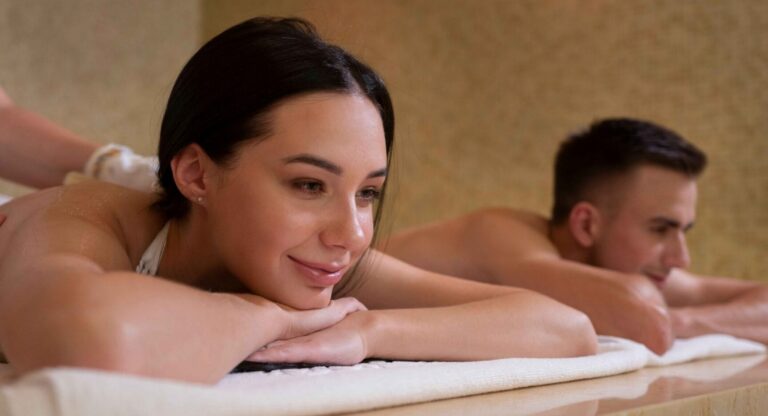
At its core, a couples massage involves two people receiving a massage simultaneously, in the same treatment room, with two dedicated massage therapists.
While the hands-on techniques are tailored to each individual’s physical needs, the environment is shared. That adds a layer of comfort, safety, and a sense of occasion to your spa visit. Instead of retreating into your own separate silos of healing, you experience the transition from stress to peace together.
At Namaste Spa, the Matching Energy Massage elevates this concept by shifting the focus from a purely mechanical service to a deeply emotional and physical unclenching. It gives both of you permission to slow down to the same rhythm.
The True Benefits: Why It Goes Beyond Physical Rest
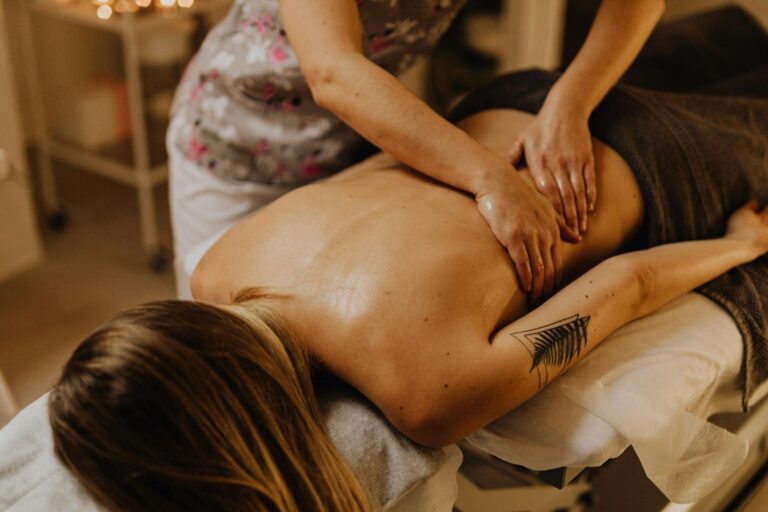
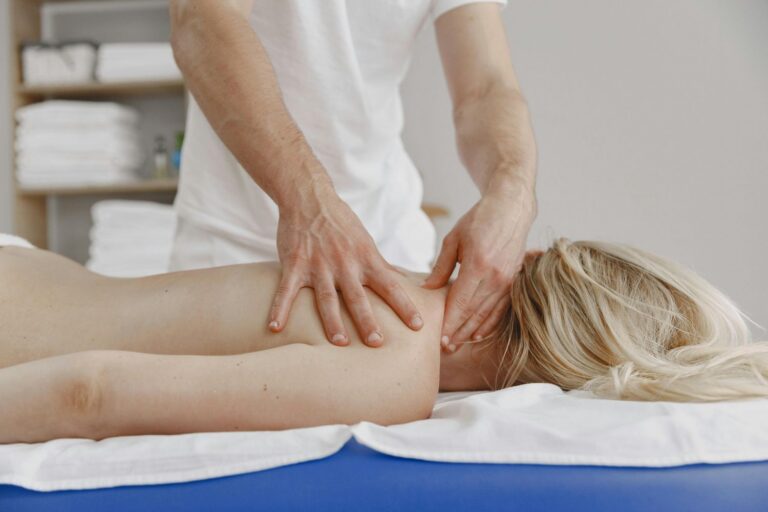
The physical benefits of massage – like increased circulation, relief from muscle knots, and reduced stress hormones – are well-known. But when you share that treatment with someone else, unique mental and emotional benefits come into play.
1. Shared stress relief
In everyday life, it is rare for two people to truly synchronize their downtime. Often, one person is trying to relax while the other is still mentally tracking a to-do list, checking emails, or managing household stress. A couples massage creates a mandatory, shared pause. When you look over and know the person next to you is letting go just as deeply as you are, it creates a subtle, comforting shift.
2. Quality time free from distractions
True quality time is hard to come by in a hyper-digital world. Even when we go out to dinner or sit down to watch a movie, notifications and logistics often interrupt our presence. In the treatment room, there are no phones, no scheduling conflicts, and no demands. It is just pure, undistracted presence.
3. A gentler way to reconnect
If you and a partner or loved one have recently come out of a stressful season – whether due to work, family dynamics, or the frantic pace of life – your bodies can get stuck in a protective mode of physical bracing. Stepping into a quiet sanctuary together allows your nervous systems to mirror each other’s relaxation. It is a non-verbal, gentle way to say, “We are safe, and we can finally rest.”
What to Expect During Your Session
If you have never booked a shared treatment before, you might wonder about the logistics.
When you arrive at Namaste Spa for a Matching Energy Massage, you and your companion are guided into a private, softly lit treatment space where two massage tables are arranged side by side.
Your therapists will step out to let you change privately and settle onto the tables beneath warm, luxurious sheets. Before the session begins, they briefly check in with each of you about pressure preferences and focus areas, such as a tight lower back or tense shoulders.
During the massage, the room is filled with soft ambient music and calming aromatherapy. You are welcome to chat quietly if it helps you feel comfortable, but most guests naturally drift into a deep, meditative quiet as the treatment progresses.
Busting the Myth: It’s Not Just for Romance
One of the biggest misconceptions is that couples massages are strictly reserved for romantic partners on Valentine’s Day or anniversaries. While it is undoubtedly one of the best wellness date ideas available, it is equally powerful for other relationships:
- Best friends who want to decompress together
- Mothers and daughters looking to bond in a softer way
- Siblings who rarely get slow, meaningful time together
The name Matching Energy Massage was chosen intentionally. Energy does not care about relationship labels; it responds to connection. Anyone in your life who shares a mutual need for peace and self-care is the perfect partner for this treatment.
Is a Couples Massage Better Than a Solo Session?
Not necessarily better – but it serves a completely different intent.
If your primary goal is highly specific, intensive clinical work where you want to close your eyes, zone out, and speak candidly with a therapist about chronic pain, a solo session might be your best fit.
However, if you are looking for an experience that feels like a shared memory, a reward for getting through a tough week, or a mindful gift, a solo massage simply cannot replicate that shared atmosphere of calm. A couples massage gives each person a customized treatment, but wraps it in a joint bubble of tranquility.
The Verdict: Is It Worth the Investment?
A couples massage is absolutely worth the money when you value the emotional and relational return alongside the physical relief. You are not just paying for a service; you are paying for the rare luxury of collective stillness.
It is an unforgettable gift for major milestones, a beautiful alternative to standard, overstimulating date nights, and a gentle reset for two people who need to unplug.
At Namaste Spa Mind Body & Soul, we treat the Matching Energy Massage as a sacred space for restoration. If you and someone important to you are ready to stop being so internally busy, step into our sanctuary, take a deep breath, and let us help you both return to your center – together.